Buying a Private Island in 2026: Real Prices, Jurisdictions and Taxes
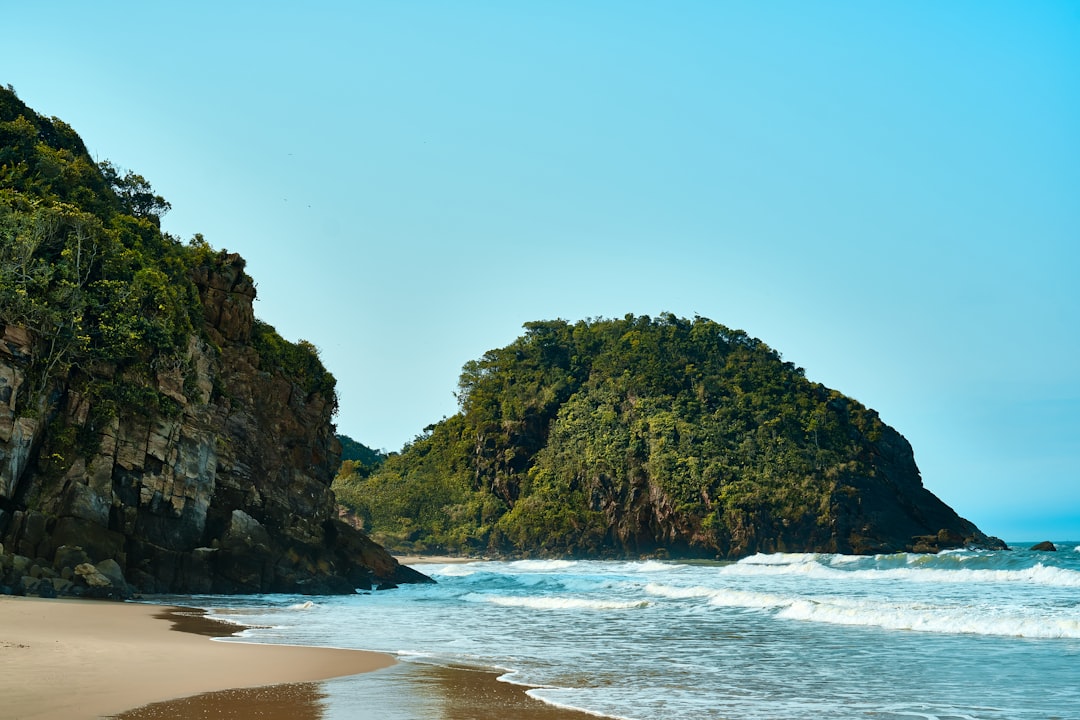
A 4-hectare Caribbean island — beach, private dock, clean title — hit the market in January 2026 at $2.3 million and pulled 47 inquiries in the first week. That’s not a luxury auction. It’s a real estate market with its own logic, its own risks and a surprisingly low floor.
You can buy an island with a budget of $50,000. The question isn’t whether it’s possible — it’s what exactly you’re buying, in which jurisdiction, and what you’ll be paying in taxes for the rest of your ownership. Let’s break it all down.
# How Much Does It Cost to Buy an Island in 2026
The floor price for a private island is around $50,000 — for an undeveloped freshwater parcel in Canada (Ontario or British Columbia). This isn’t marketing copy. These listings are live on Private Islands Online right now.
But let’s be honest: for $50,000 you’re getting a rocky outcrop with trees. No electricity, no fresh water, no road access, no building permit. And shipping construction materials to an island in the middle of Lake Huron? That’s its own line item.
# Price Ranges by Island Type
| Island Type | Price Range | Typical Location | Infrastructure |
|---|---|---|---|
| Freshwater (lake) | $50,000 – $500,000 | Canada, Finland | Minimal or none |
| Caribbean (undeveloped) | $300,000 – $2 million | Belize, Honduras, Panama | Beach, sometimes a dock |
| Caribbean (with villa) | $2 million – $15 million | Bahamas, Turks & Caicos | Villa, dock, generator |
| European (Croatia, Greece) | €300,000 – €8 million | Dalmatian coast, Ionian islands | Varies |
| Pacific / Polynesia | $1 million – $50 million+ | Fiji, French Polynesia | Often resort-ready |
One thing to keep straight: the listing price and the closing price are different numbers. In Caribbean markets, negotiation typically shaves 20–30% off the ask. If an island has been sitting in a listing for more than 18 months, the seller is generally ready to talk seriously.
And add 15–30% on top of the purchase price for transaction costs. Due diligence, local attorney, survey, environmental assessment, registration — none of it is free. In the Bahamas alone, stamp duty runs 10% of the transaction value for properties above $100,000.
# Where to Buy: Best Jurisdictions for Foreign Buyers
Choosing a jurisdiction matters more than choosing a specific island. The country determines whether you can own land as a foreigner at all, what ownership format is available and what you’ll pay every year going forward.
# Bahamas
One of the most established jurisdictions for foreign buyers. Roughly 700 islands in total, about 30 in active listings at any given time. Foreigners buy freehold property — registration goes through the International Persons Landholding Act. Stamp duty: 10% for buyers spending above $100,000. Annual property tax: roughly 1% of assessed value. There’s no income tax in the Bahamas — which matters if you plan to rent the island out.
# Belize
Probably the most permissive jurisdiction available. No restrictions on land ownership for foreigners. Property tax is minimal — effectively nominal. No capital gains tax on sale. Stamp duty at purchase: 5%. Belize is also the only Central American country with English as its official language, which simplifies legal work considerably.
The infrastructure challenge here is sharper than in the Bahamas, though. Some of the islands (called cayes) are little more than sandbars with palm trees — no water, no power. Construction logistics are a real headache.
# Croatia
The European option — with specific rules. EU citizens buy directly. Non-EU citizens (including Ukrainians) must purchase through a Croatian legal entity (a d.o.o., Croatia’s equivalent of an LLC). Minimum share capital is a symbolic €2,500. Property transfer tax: 3%. Annual property tax: up to 3% of value, depending on the municipality.
But — Croatian islands are on the Adriatic, 30 minutes by speedboat from the Split waterfront. European healthcare, infrastructure, direct flights. It’s a fundamentally different proposition from Caribbean isolation.
# Canada
The most affordable market on price — but the most demanding in terms of climate and logistics. Islands in Ontario and Nova Scotia sell like any other real estate. Foreigners can buy without restrictions (though the Canadian government discussed tightening foreign ownership rules from 2022 onward — worth monitoring). Capital gains tax in Canada: 50% of the gain is included in taxable income, with an effective rate of roughly 20–27% depending on the province.
# Panama
Panama uses an interesting dual system — either a title deed or a possessory rights document (Derecho Posesorio). Foreigners can buy freely, and tax rates are low. The Bocas del Toro archipelago — dozens of islands starting around $200,000 — is the most popular area. Environmental regulation is tightening, though: some islands can’t be developed due to protected marine zones.
# Taxes When Buying and Owning an Island
The tax structure for island ownership works on three levels. You need to calculate all three before signing, not after.
Level 1: Purchase tax. A one-time payment at closing — called stamp duty, transfer tax or registration fee depending on the country, but functionally the same thing.
| Jurisdiction | Purchase Tax | Annual Property Tax | Capital Gains Tax (on sale) |
|---|---|---|---|
| Bahamas | 10% (above $100K) | ~1% | 0% |
| Belize | 5% | ~0.1% | 0% |
| Croatia | 3% | Up to 3% | 0% (if owned more than 2 years) |
| Canada | 1–2% (land transfer tax) | 0.5–1.5% | ~20–27% effective rate |
| Panama | 2% | 0% (first $30K exempt) | 10% flat |
| Fiji | 3% | 0.5% | 0% (leasehold not taxed) |
Level 2: Operating income tax. If the island generates rental income or runs as a resort, that income is taxed at local rates. The Bahamas has no income tax — only a 10% VAT on services. In Croatia, rental income is taxed at 8.5–36% depending on how the business is structured.
Level 3: Exit tax. Sell the island 10 years from now — and you’ll calculate capital gains tax in the country where the island sits AND in your country of tax residency. Double taxation is governed by bilateral tax treaties. Ukraine has such treaties with some countries, but not all Caribbean jurisdictions are covered. This needs to be verified before you buy.
# How the Transaction Works: Buying an Island Step by Step
Buying an island isn’t like buying an apartment. There’s no standardized document checklist. But the logic tracks any large commercial real estate transaction closely enough.
Step 1: Search and preliminary analysis (1–4 weeks). Start with Private Islands Online, Vladi Private Islands and local brokers. Review listings, request an information memorandum, check the basics — size, ownership format, existing building permits.
Step 2: Letter of intent and price negotiation (2–4 weeks). Non-residents typically work through a local broker or directly through a lawyer. The LOI locks in intent and price. It’s non-binding — but it starts the exclusivity period.
Step 3: Due diligence (4–12 weeks). This is the most important phase. Verify: clean title (no liens, disputes or third-party claims), parcel boundaries (independent survey), development restrictions and protected zones, any easements — fishing access rights for local communities are a real issue in some jurisdictions — and environmental encumbrances.
Step 4: Deal structuring (2–4 weeks). Buy as an individual or through a company? How to optimize purchase taxes? Is a special ownership structure needed — a trust or offshore holding company? This is work for an international tax adviser, not just local counsel.
Step 5: Closing (1–2 weeks). Sign the contract, transfer funds, register the title change. In the Bahamas: through the Bahamas Supreme Court Registry. In Croatia: through the land cadastre. In Belize: through the Land Registry Department.
# Private Islands Online and Other Listing Platforms
Private Islands Online is the de facto main aggregator for this market. Founded in Canada, operating since 1999. As of early 2026, the platform lists more than 600 islands across 60+ countries. Prices are in USD, with filters by jurisdiction, price, size and ownership type.
But one aggregator isn’t the whole market. A number of serious properties never appear in public listings — they’re sold through broker networks, quietly, without advertising. Vladi Private Islands (Hamburg, Germany) has operated in exactly that segment since 1971.
# How to Read an Island Listing
A few things worth checking that buyers routinely skip:
- Ownership format — freehold or leasehold. If leasehold: how many years remain, and on what renewal terms.
- Building permits — do they actually exist? “Development potential” in the description is not the same as a permit in hand.
- Fresh water access — private well, rainwater collection or barged in?
- Power supply — diesel generator, solar panels or grid connection (rare).
- Air access — is there an airstrip nearby, or only a helicopter pad?
# Hidden Risks: What Island Sellers Don’t Tell You
The private island market is one of the least transparent segments in real estate. There’s no centralized transaction registry, no public price statistics. That means the buyer starts at an information disadvantage — by default.
Problem 1: Unclear boundaries. In Caribbean jurisdictions, it’s not uncommon to discover that the physical shoreline doesn’t match the cadastral map. The reason: coastal erosion, shifting water levels, old documents drawn up during the colonial period. Always commission an independent survey.
Problem 2: Conservation restrictions. The island looks buildable. But half of it sits inside a protected marine zone. You can’t build there — physically or legally. The seller writes “development potential” in the listing and doesn’t mention it applies to 20% of the land.
Problem 3: Easements and third-party rights. In several Caribbean countries, local fishermen hold traditional access rights to the shoreline. In some Croatian cases, right-of-way through an island is embedded in agreements with neighboring communities. This doesn’t block a purchase — but it affects what you can actually do with the property.
Problem 4: Construction logistics and costs. Shipping cement, brick and roofing materials to an island can double construction costs compared to a mainland project. That’s not an exaggeration — it’s the documented experience of real buyers.
Problem 5: Hurricanes and insurance. Caribbean islands sit in a hurricane corridor (season runs June through November). Hurricane insurance for island property is expensive — 3–5% of the insured value per year. Some insurers decline coverage altogether for undeveloped islands.
# Island as a Business: Rentals, Eco-Resorts and ROI
Owning an island looks great. But can you actually make money from it? And what do the owners who rent their islands out actually earn?
The private island rental market is real. Platforms like Private Islands Online, Airbnb Luxe, Mr & Mrs Smith and specialist brokers offer islands at $5,000–$50,000 per night. Per night.
# Island Monetization Models
Model 1: Exclusive whole-island rental. A client takes the entire island — for a corporate retreat, wedding, film shoot or private holiday. Average rate for a Caribbean island with a villa sleeping 8–10 guests: $15,000–25,000 per night. Strong seasonality — November through April is peak.
Model 2: Boutique resort. Build 5–15 villas or bungalows, operate as a private resort. Requires serious capital — $2–10 million in construction, licensing and staffing. But the returns are different: a successful Caribbean boutique resort generates $1–3 million in annual revenue at 60–70% occupancy.
Model 3: Film and advertising production. A less-discussed niche — but a real one. Islands are actively rented for productions, from commercials to reality TV (recall where Lost was filmed?). Rates for a film crew: $10,000–80,000 per week.
# Real ROI: Honest Numbers
Buy a Caribbean island for $3 million. Invest $2 million in construction and infrastructure. Total capital: $5 million. Rent it 120 nights a year at $20,000 per night — gross revenue $2.4 million. Operating costs (staff, maintenance, insurance, taxes): roughly $600,000. Net: $1.8 million a year. ROI: 36%. Sounds extraordinary.
But that’s the optimistic scenario. New properties rarely exceed 40–50 booked nights in their first two to three years. Marketing, reputation-building, relationships with tour operators — this is active work, not passive income.
Resale is a different story. The Caribbean island market appreciated 15–25% between 2021 and 2024, partly driven by post-COVID demand for isolated travel. That’s not a guarantee of future growth.
# Government Leasehold: The Alternative to Buying
Not everyone wants — or needs — to buy outright. Several countries offer long-term state leases on islands: Fiji, French Polynesia and some Indian Ocean islands. Terms run 50–99 years with the right to assign.
The upside: significantly lower entry cost (sometimes 30–50% of freehold equivalent), and no title risk since the state is the unambiguous owner. The downside: no owned asset, harder to secure financing against, and exposure to renegotiation if the government changes.
French Polynesia is an interesting case. Leasehold islands are available from $200,000 to $1 million. The government actively encourages tourism investment. But building regulations are strict — particularly on height limits and environmental standards.
# Financing: Can You Get a Mortgage on an Island?
A conventional mortgage on an undeveloped island doesn’t exist in most jurisdictions. Banks don’t like illiquid, hard-to-value assets.
But options do exist:
- Seller financing — the seller acts as the lender. Down payment of 30–50%, balance paid over 5–10 years. More common than you’d think, especially in less liquid markets.
- Private lenders and family offices — specialist structures that finance non-standard assets. Rates: 8–14% annually.
- Collateral from other property — if you own unencumbered real estate in a conventional jurisdiction, refinance it and use the proceeds to buy the island.
- Crowdfunding / SPV — multiple investors pool capital through a Special Purpose Vehicle. Each gets a stake in the company that owns the island. A niche structure, but it works.
# The Bottom Line: Who Should Actually Consider Buying an Island
An island isn’t for everyone. It’s a specific asset — high operating costs, complex logistics, risks that simply don’t exist with conventional property.
So who does it make sense for?
Entrepreneurs with $500K+ in capital looking for an alternative asset, diversification outside traditional markets and a potential rental income stream. The optimal entry point: a small Caribbean island in Belize or Panama for $300K–$1M.
Families with a long time horizon who want to create a generational asset — a place that stays in the family for decades. Canadian lake islands are a sensible choice on the price-to-practicality ratio.
Businesses in the luxury travel sector seeking a unique property to develop into a boutique resort. Budget for a 3–5 year runway to operational profit and a total capital requirement of $3–10 million.
Buying an island “because it’s cool” is a weak basis for a $1M+ decision. Like any serious business, an island demands a strategy, a team and a genuine appetite for operational work.
Want more coverage of alternative investments and non-standard assets? Subscribe to the Kompanion newsletter — we publish market overviews, deal breakdowns and entrepreneur stories every week.
Часто задаваемые вопросы
How much does it cost to buy an island in 2026?
Prices start around $50,000 for a small freshwater island in Canada. Caribbean islands with existing infrastructure run $1–15 million. Croatian Adriatic islands range from €300,000 to €5 million. The most expensive listings — islands in French Polynesia and the Maldives — can exceed $50 million.
Can a foreigner buy a private island?
It depends on the jurisdiction. In the Bahamas, foreigners can buy freehold property freely but must register under the International Persons Landholding Act. In Croatia, EU citizens buy without restrictions; non-EU citizens must purchase through a Croatian legal entity. Canada and Belize both allow foreign ownership subject to local procedures.
What taxes does an island owner pay?
Stamp duty at purchase: 2.5–10% of the transaction value, depending on the country. Annual property tax: 0% in Belize, roughly 1% in the Bahamas, up to 3% in Croatia. Capital gains tax on sale: 0% in Belize, up to 25%+ in some EU jurisdictions. Rental income is taxed under a separate regime.
What's the difference between leasehold and freehold for an island?
Freehold means you own the land outright, indefinitely. Leasehold means you hold a long-term lease — typically 99 years — from the state or a municipality; at the end of that term the agreement is renewed or renegotiated. In Fiji, most land is only available on leasehold terms. In the Bahamas and Belize, freehold for foreigners is the norm.
How much does it cost to maintain a private island per year?
Running costs depend on size and infrastructure. A bare island with basic security and insurance runs $20,000–50,000 a year. An island with a villa, staff and a generator costs $150,000–500,000+. That covers property tax, hurricane insurance, dock maintenance, logistics and staff salaries.
Where can I find islands for sale in 2026?
The main aggregator is Private Islands Online (privateislandsonline.com), with listings updated weekly. Also active: Vladi Private Islands (Hamburg, operating since 1971), Sotheby's International Realty, Christie's Real Estate and local brokers in each jurisdiction. For Croatia, look at Fine Zagreb; for Canada, Royal LePage.