How to Become a Distributor in 2026: Contracts, Margins, and Real Cases
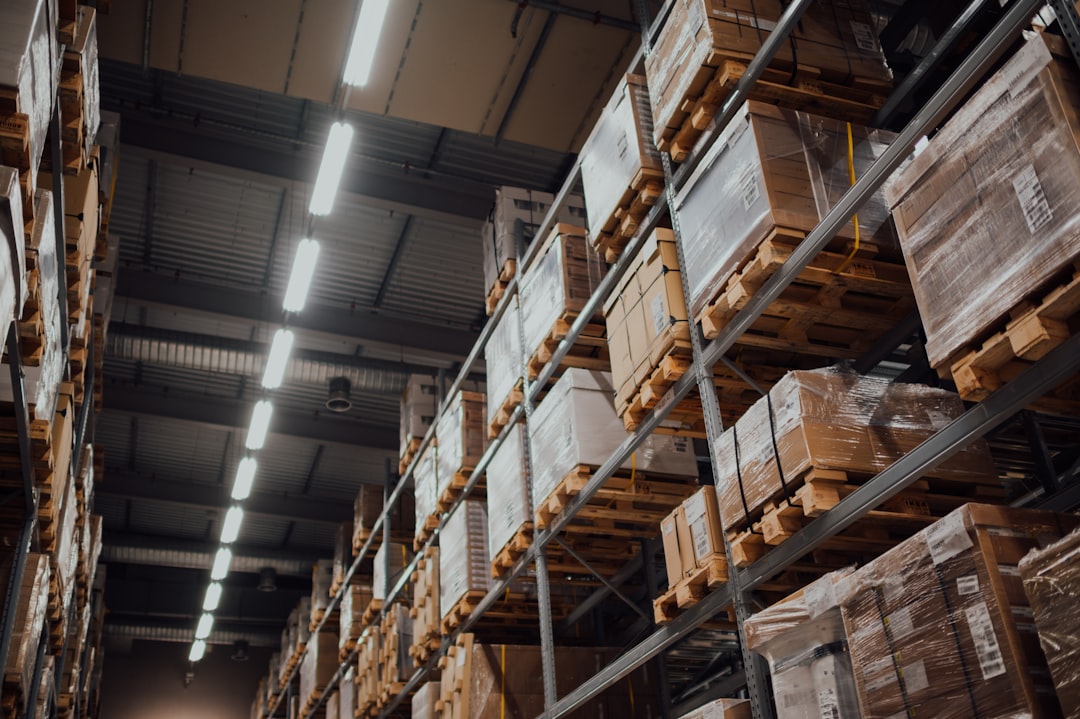
Becoming a distributor in Ukraine in 2026 isn’t “just reselling goods.” It’s a real business — margins from 15% to 50%, hard contractual obligations, and competition in the FMCG segment that’s been a shelf-space war for years. But open niches still exist, and this article shows you exactly where.
A distributor sits between the manufacturer and the retail market, taking on logistics, warehousing, and sales across an assigned territory. Not an agent. Not a reseller. The distributor builds the client network, hires sales reps, and carries the financial risk of the purchase. In Ukraine, this model runs across hundreds of categories — from Roshen (Ukraine’s largest confectionery producer) biscuits to medical devices, from construction chemicals to IT licences.
# How Much Does a Distributor Earn: Real Margins by Category
Distributor margins in Ukraine range from 12% to 50%, depending on category and contract terms. That’s not pure profit — out of that spread, you cover logistics, warehousing, staff, and still need something left over.
Here’s how it breaks down by segment:
| Category | Typical Margin | Key Risks |
|---|---|---|
| FMCG (food & grocery) | 12–22% | High competition, short shelf life |
| Alcohol & beverages | 18–28% | Licensing requirements, excise tax |
| Cosmetics & personal care | 25–45% | Seasonality, returns |
| Supplements & nutraceuticals | 30–55% | Regulatory requirements from the Ministry of Health |
| Construction materials | 15–30% | Large volumes, client credit exposure |
| IT products & licences | 8–20% | Minimal warehousing, but vendor holds most margin |
| Medical equipment & consumables | 20–40% | Long sales cycles, public tenders |
But here’s what you need to understand straight away: a 25% margin doesn’t mean 25% in your pocket. Logistics takes 5–8%, payroll another 4–7%, warehouse rent 2–4%. After all costs, most FMCG distributors net 4–8% of turnover. That sounds thin — but on UAH 10 million (~$250,000) monthly turnover, it’s UAH 400,000–800,000 ($10,000–$20,000) a month.
# What a Distributor Is Required to Do Under Contract
The manufacturer wants specific results — and writes them into the contract. First and most important: hitting the minimum purchase volume (MPV) every month or quarter.
Standard distributor obligations include:
- Territory coverage — number of active outlets (e.g., minimum 300 retail stores in the region)
- Numeric distribution — assortment presence as a percentage of covered outlets (often 85–95% required)
- Adherence to recommended retail prices — the manufacturer protects its brand pricing
- Proper storage — warehouse meeting specified conditions (temperature, humidity, fire safety)
- Marketing activity — running promotions, placing POS materials
- Reporting — weekly or monthly sales reports broken down by client
And if you’re thinking you sign the contract and relax — that’s not how it works. Major brand manufacturers send supervisors for on-site checks, monitor sales data in real time, and have no hesitation terminating agreements early.
Want to understand how B2B business operates at the process level? See our piece on B2B sales and their logic — it covers the mechanics of long-cycle deals.
# How to Find a Manufacturer and Negotiate Terms
Start with brands that actually need you — not the ones with fully built-out networks. A manufacturer with established distribution in your region isn’t looking for new partners. But a brand entering the market or trying to break into a new region? They’re actively searching.
Where to look:
- Trade exhibitions — AgroVesna, Food & Beverage Ukraine, UITT (Ukraine’s International Travel & Tourism exhibition) — manufacturers stand at their own booths looking for partners
- Industry associations — the Ukrainian Manufacturers Association and sector-specific unions
- LinkedIn and OLX Business (Ukraine’s leading classifieds platform) — less obvious, but effective for niche producers
- Manufacturer websites directly — most major companies have a “Become a Partner” section
In early negotiations, manufacturers assess 3 things: your client base (do you have retail contacts already?), your resources (warehouse, transport, capital for the first order), and your motivation — why you, not someone else.
Don’t arrive empty-handed. At minimum — a list of 50–100 potential retail outlets in your region, market size data, and a concrete first-order proposal.
# What Must Be in a Distribution Contract: Essential Clauses
A distribution agreement isn’t a formality. It’s the document that determines how much you earn — and under what conditions you get fired. Ukrainian law doesn’t recognise “distribution contract” as a distinct legal category — in practice, it’s a hybrid: supply agreement + agency + commercial concession elements combined.
Clauses you can’t sign without:
| Contract Clause | What to Watch |
|---|---|
| Territory | Explicitly defined regions — oblasts, cities, districts. Without this, the manufacturer can appoint a second distributor in your area |
| Exclusivity | Is it granted? For how long? Under what conditions can it be revoked? |
| Minimum Purchase Volume (MPV) | Specific figures in UAH or units. What happens on non-fulfilment — financial penalty or termination? |
| Pricing | Fixed wholesale price or formula. How often can it change — minimum 30-day advance notice required |
| Payment terms | Standard is 14–30 days deferred payment. Large manufacturers may demand 7 days or prepayment |
| Returns | Conditions for returning defective or expired goods — who bears the cost |
| Marketing budget | Who funds promotions — manufacturer, distributor, or co-op split |
| Termination conditions | Notice period (typically 30–90 days), grounds for early termination |
Honestly — a lawyer at this stage isn’t a luxury. A 20-page contract with polished language can hide clauses that effectively make you an unpaid sales rep with zero protection.
On building sound financial models for your business, see our guide on P&L budgets and cash flow budgets — structure and examples.
# Roshen Case Study: How a Major Brand’s Distribution Network Works
Roshen — one of Ukraine’s largest confectionery manufacturers with annual turnover of approximately $1 billion — runs a classic model for the Ukrainian market: exclusive regional distributors plus direct supply to major retail chains (ATB, Silpo, Novus).
How it works in practice: a Roshen distributor in a regional centre gets an assigned territory — one oblast or a cluster of districts. The MPV for an average region runs UAH 2–5 million (~$50,000–$125,000) per month. Margin sits around 12–18% of wholesale price — standard for the confectionery market.
What matters: Roshen actively supports its distributors. The manufacturer provides sales reps (partly on its own terms), POS materials, promotional budgets for seasonal campaigns, and staff training. This cuts your marketing costs — but also your freedom, since promotions are approved centrally.
Breaking into the Roshen network from scratch is hard. Open territories exist, but the vetting process is real. The company evaluates a prospective distributor for a minimum of 2–3 months.
# Khlibnrom Case Study: Regional Bakery Product Distribution
Khlibnrom — a Ukrainian producer of bread and baked goods — works primarily through regional distributors in western and central Ukraine. Their model is more accessible for new entrants than Roshen’s.
Why? Bakery is daily-demand territory: high order frequency, relatively low average ticket. Distributor margin runs 15–22%. But product turnover is fast — with tight logistics, you can operate with minimal inventory.
The catch — and it’s a significant one — is shelf life: 3 to 14 days. That forces daily or every-other-day deliveries. Without your own or leased transport, this segment doesn’t work.
Khlibnrom runs a “sales agent + manufacturer’s warehouse” model: the distributor handles selling and order collection, while the manufacturer organises delivery using its own fleet. For a startup, this meaningfully reduces capital requirements — you don’t need a cold-chain warehouse.
# The ATB Model: When a Retail Chain Becomes Its Own Distributor
ATB — Ukraine’s largest retail chain with over 1,100 stores as of end-2025 — has built a distinctive model: it acts as its own distributor for a portion of its assortment.
How it works: ATB purchases directly from manufacturers with minimal markup, consolidates delivery through its own distribution centres, and pushes to stores from there. It performs the distributor’s function — cutting out the middleman. For manufacturers, it’s attractive: one contact point, massive volume. For traditional distributors, it’s a direct competitive threat.
But here’s the paradox: ATB can’t cover the whole market. Independent retail, HoReCa (hotels, restaurants, cafés), corporate clients — all of that remains in distributor territory. And that’s precisely where the most attractive margins are.
So if you’re planning a distribution business, don’t prioritise ATB as a client. Work with independent retailers, cafés, restaurants, and the corporate segment — less price pressure, higher loyalty.
On how profit builds across different business stages, see our piece on 3 steps to increase business profit.
# How Much Money Do You Need to Become a Distributor?
Startup capital depends on category, territory, and manufacturer terms. But let’s get specific.
Minimum scenario — small region (1–2 districts), niche manufacturer, operating as a sole proprietor (ФОП):
- First product purchase: UAH 200,000–400,000 ($5,000–$10,000)
- Warehouse rental, 100–150 sq. m.: UAH 15,000–25,000/month ($375–$625)
- Transport (rental or second-hand vehicle): UAH 50,000–150,000 ($1,250–$3,750)
- Registration, legal, accounting: UAH 15,000–30,000 ($375–$750)
- 3-month operating reserve: UAH 100,000–200,000 ($2,500–$5,000)
Total minimum: UAH 380,000–800,000 ($9,500–$20,000).
Standard scenario — one oblast, mid-size FMCG producer, LLC (ТОВ) with multiple sales reps:
- First purchase: UAH 800,000–2,000,000 ($20,000–$50,000)
- Warehouse, 300–500 sq. m.: UAH 40,000–80,000/month ($1,000–$2,000)
- Transport (2–3 vehicles): UAH 300,000–600,000 ($7,500–$15,000)
- Staff (5–8 people): UAH 150,000–250,000/month ($3,750–$6,250)
- Operating reserve: UAH 400,000–600,000 ($10,000–$15,000)
Total: UAH 1.7–3.5 million ($42,500–$87,500).
This isn’t a business for someone with no starting capital or credit access. But there’s an important lever: many manufacturers offer trade credit — deferred payment of 14–30 days — which effectively reduces working capital requirements by 30–50%.
# How to Become a Distributor from Scratch: 8 Steps
You’ve decided. What happens next?
Step 1. Choose your niche and territory. Don’t try to cover everything. One region, one or two categories — that’s a real plan for launch.
Step 2. Study the market. Visit 50–100 retail outlets in your region. Find out what they stock, from whom, on what terms. That’s both market intelligence and client acquisition at the same time.
Step 3. Register your business. Sole proprietor (ФОП) Group III — 5% flat tax on revenue — or LLC (ТОВ), depending on projected turnover. Annual turnover above UAH 8 million (~$200,000) triggers mandatory VAT registration.
Step 4. Approach 3–5 manufacturers and start negotiations. Not one — several. Negotiations take 1–3 months, and some will end in rejection. That’s normal.
Step 5. Build your infrastructure. Warehouse, transport, accounting system (cash flow tracking, inventory management). Without proper accounting, you’ll lose money on your first transactions.
Step 6. Sign the contract. With a lawyer. Carefully. Without rushing.
Step 7. Hire at least one sales rep. Even just one. You can’t simultaneously negotiate with manufacturers, visit clients, and handle paperwork.
Step 8. Run a pilot. The first 1–2 months are a test. Measure product turnover, identify problem clients, catch logistics failures early.
And on how not to fail in your first years — read 6 actions to survive the first three years.
# Mistakes New Distributors Make — and How to Avoid Them
After years of covering Ukrainian business, I’ve seen dozens of people lose money in distribution. The patterns repeat.
Mistake 1: Taking on too wide an assortment. The logic seems sound — more SKUs, more sales. Reality: fragmented inventory, low turnover, losses on expired stock. Start with 20–30 product lines maximum.
Mistake 2: Not vetting the manufacturer. Some producers hand out “exclusivity” to multiple distributors in the same region simultaneously. Check the market — visit stores, talk to competing sales reps.
Mistake 3: Mismatched payment terms. If you give clients 30-day credit but the manufacturer demands payment within 7 days, you’re financing someone else’s working capital with your own money. That’s a cash flow gap. Model it before you sign anything.
Mistake 4: Ignoring receivables. A retail client 60 days overdue isn’t a “loyal partner” — it’s a problem. Without a tight accounts receivable system, distribution becomes charity work.
Mistake 5: Not reading the contract. Sounds obvious. But 7 out of 10 new distributors discover contract “surprises” after signing — when it’s too late to change anything.
And one final thought. Distribution is an operations-heavy business with thin margins and demanding process requirements. If you thrive on chaos and improvisation — this isn’t for you. But if you can build systems, manage people, and track numbers — it can be a very solid business.
Also read our piece on 12 ways to cut costs in your business — several of those tactics apply directly to distribution operations.
Subscribe to Kompanion — every week we publish real Ukrainian entrepreneur case studies, contract breakdowns, and financial models without filler.
Часто задаваемые вопросы
Can you become a distributor without a warehouse?
Yes — in some categories. Some manufacturers work with agents who take orders while the manufacturer handles logistics. But most FMCG companies require a dedicated warehouse of at least 200 sq. m. with temperature controls. Working without a warehouse is realistic for software, digital services, and some B2B products.
What's the difference between a distributor and a dealer?
A distributor buys in bulk, takes on warehousing risk, and builds a retail network across a territory. A dealer is typically a retail outlet or small reseller buying from the distributor. The distributor sits between the manufacturer and the dealer in the supply chain.
What taxes does a distributor pay in Ukraine in 2026?
A sole proprietor (ФОП) on Group III pays a flat 5% tax on revenue (or 3% + 20% VAT). An LLC (ТОВ) pays 18% corporate income tax + 20% VAT. Annual turnover above UAH 8 million (~$200,000) triggers mandatory VAT registration. Imported goods are also subject to customs duties and excise tax.
How does a manufacturer vet a distributor before signing?
The standard package: 2 years of financial statements, a certificate of no tax debt, a client list (retail outlets), and proof of warehouse and transport. Major brands — Roshen, Khlibnrom — also conduct warehouse audits and require references from other suppliers.
What happens if you miss the sales plan under the contract?
Most agreements include a minimum purchase volume (MPV) clause. Missing it gives the manufacturer the right to terminate the contract unilaterally or strip the distributor of exclusive status. Financial penalties are less common — it's usually the manufacturer's option, not obligation.
Is it realistic to become a distributor for a Ukrainian brand from scratch?
Yes, but FMCG is competitive. Better to start with niche or regional brands where large distributors haven't locked up the territory yet. Realistic timeline: 6–12 months for negotiations and launch, another 12–18 months to reach sustainable profit.